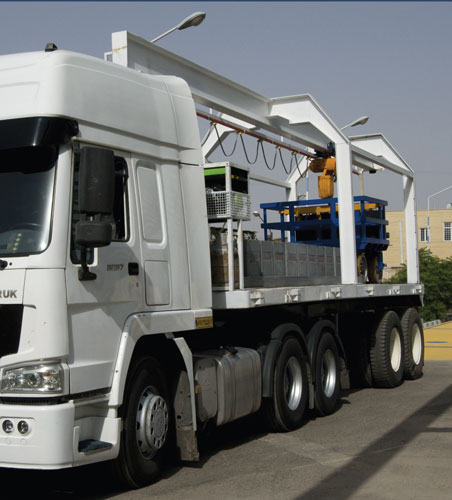
Utilizing pre-stressed concrete technology in the manufacturing of road weighbridges
Road weighbridges are capital assets The accuracy and long-term performance of a weighbridge are critical and essential over time. Road weighbridges can be manufactured through various methods ranging from small local workshops to fully equipped industrial facilities. Therefore, it is extremely important to consider that some weighbridges, due to their poor technical specifications, may only offer acceptable accuracy and performance during the initial month of operation.
After a few weighing cycles, these systems may suffer from serious measurement inaccuracies, ultimately imposing substantial and irreparable financial losses on the owner over time. In contrast, choosing a weighbridge that, based on its technical specifications and reasonable pricing, can maintain consistent accuracy and reliability over time not only prevents financial losses but also serves as a long-term investment for the owner.
It is also important to note that measurement reliability (correctness) is even more crucial than accuracy, since a weighbridge may appear to be accurate in readings while lacking actual measurement validity. With over 65 years of experience in the weighing industry, the Weighing Systems Division of Fard Iran Co., after extensive research into the needs of road weighbridge buyers and users, has leveraged its skilled workforce as its
most valuable asset alongside major capital investment and the integration of cutting edge technologies and advanced hardware infrastructures. Following in depth R&D efforts by a team composed of graduates from top national and international universities specialized in electronics, artificial intelligence, mechatronics, mechanical engineering, civil engineering, and computer science Fard Group has successfully designed and manufactured pre stressed concrete weighbridges.
These weighbridges are fully engineered and produced in house by the company’s elite technical team, positioning Fard Iran as the first manufacturer of pre-stressed concrete road weighbridges in the world.
Pre-stressed concrete structures
Pre-stressed concrete structures are a type of construction in which a specialized technique known as pre stressing is used to enhance the strength and performance of concrete. In this method, steel tendons (or cables) are tensioned using hydraulic jacks before concrete is poured. After placing the concrete into the mold and allowing it to cure and harden, the tensioned cables are released, transferring the tensile force into the concrete.
This process places the concrete under constant compressive stress, which significantly increases the structure’s resistance to tensile forces and helps prevent surface cracking. The result is a stronger, more durable concrete structure capable of withstanding higher loads and maintaining structural integrity over time.
Types of Pre-stressed Concrete Technologies
Post-tensioned Pre-stressing:
In the post-tensioning method, steel tendons are placed inside protective ducts before the concrete is poured. After the concrete is cast, cured, and hardened, the tendons are tensioned using hydraulic jacks and anchored at the ends, transferring the compressive force to the concrete. This method requires significantly lower upfront investment compared to pre-tensioning and is commonly used in the construction of large-scale structures, such as bridges, where factory-controlled production is not feasible and the structure must be built on-site.
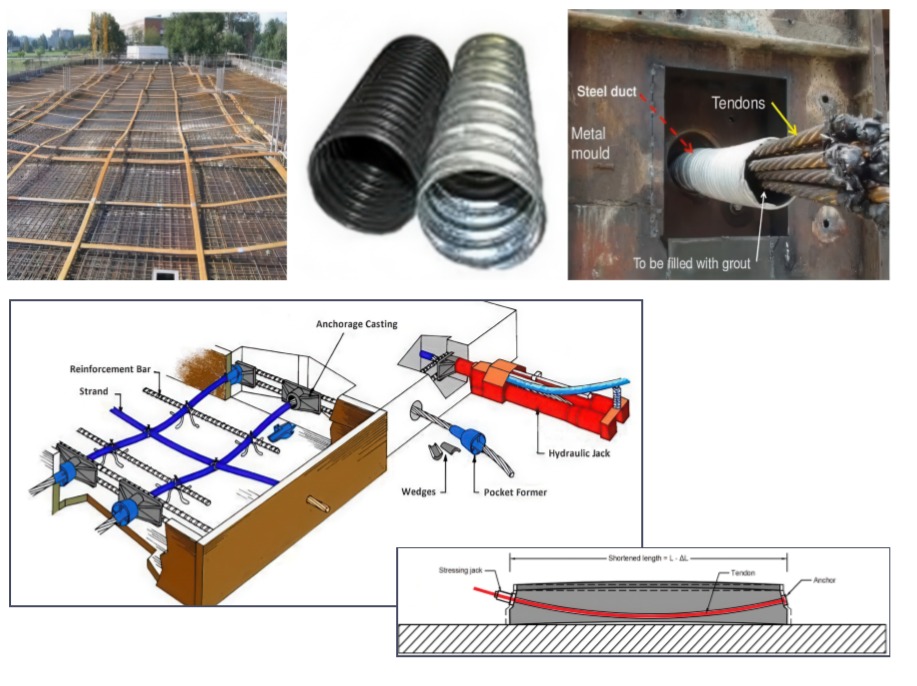
Pre-tensioned Pre-stressing:
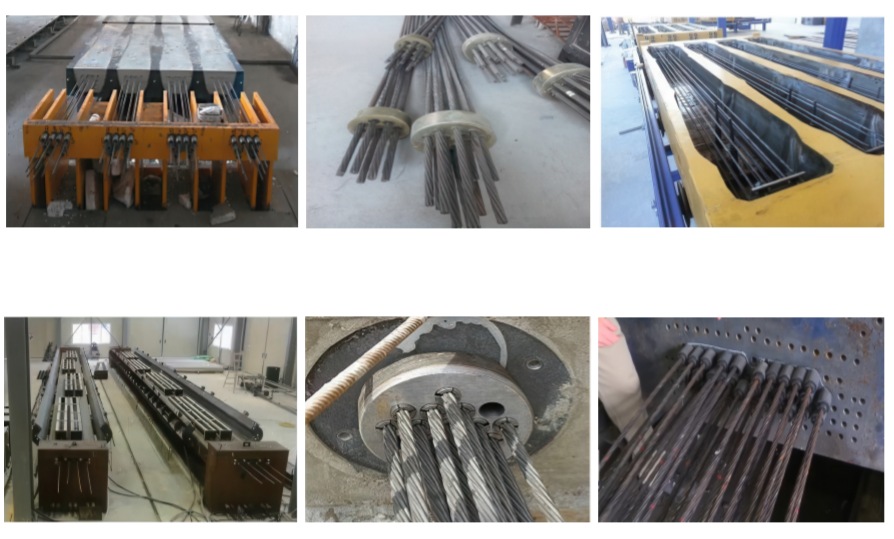
In the pre-tensioning method, steel tendons are stretched with high tension using hydraulic jacks before the concrete is poured. After placing the concrete into the mold and allowing it to cure and harden, the tensioned tendons are released from the jacks, transferring the tensile force directly to the concrete through bonding between the steel and the concrete.
This method typically requires more advanced facilities and higher initial investment, and is therefore mainly used in structures that can be produced in controlled environments such as factories. Pre-tensioning allows for greater precision in stress control, making it particularly suitable for manufacturing long structural elements like weighbridge platforms.
It also significantly improves the structure’s resistance to both tension and bending forces.
Comparison of Pre-tensioned and Post-tensioned Concrete Technologies
From an economic standpoint, the cost of steel cables in post-tensioning is approximately %15 higher due to the presence of protective sheaths. In post-tensioning systems, a large number of anchors are required to hold the steel cables in place within the structure. In contrast, pre-tensioning does not require anchors, as the cables are directly bonded to the concrete. In post-tensioning, due to the need for cable profiling and saddle positioning, rebar and labor costs increase, while the execution speed is considerably reduced.
In the post-tensioning method, concrete is poured first, and after the concrete gains strength, tensioning is performed. As a result, each component requires a separate and time-consuming tensioning operation, which decreases construction speed. In post-tensioned systems, since the force is transferred only at the anchorage points, and these anchors are exposed to corrosion and other risks, special measures must be taken to protect them. In contrast, in pre-tensioned systems, the cables are fully bonded along their length, and there are no anchors that require protection.
In post-tensioning systems, because the cables are unbonded, according to code requirements, more rebar must be used in the concrete mold. Additionally, due to the use of anchors, special detailing of anti-burst reinforcement is required behind the anchors, increasing costs and labor needs. In terms of flexural strength, the capacity of the bonded pre-tensioning system is higher than that of the unbonded post-tensioning system. Pre-tensioned systems require much more investment and advanced facilities compared to post-tensioned systems.
In post-tensioned systems, if the cable anchors are not well protected, and a cable becomes detached, the concrete structure may experience severe internal separation and lose its structural integrity. In contrast, in pre-tensioned systems, since there are no anchors and the cables are fully bonded with the concrete, this concern does not exist.
Given that a weighbridge is a precision instrument, and its core function relies on accurate and reliable long-term measurements, the use of pre-stressed concrete technology with pre-tensioning offers significantly greater performance in enhancing the structure›s resistance to both compressive and tensile forces.
Applications of Pre-stressed Concrete Structures
One of the most important applications of concrete pre-stressing is in structures such as bridges, silos, and storage tanks. By enhancing the strength and durability of the structure, pre-stressing improves overall structural performance and helps prevent costly future failures or repairs.
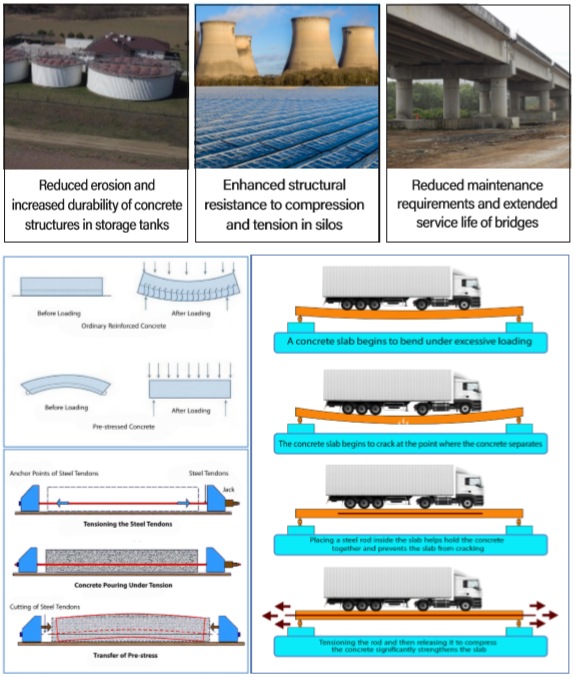
Specific Advantages of Pre-stressed Truck Scales Over Conventional Models
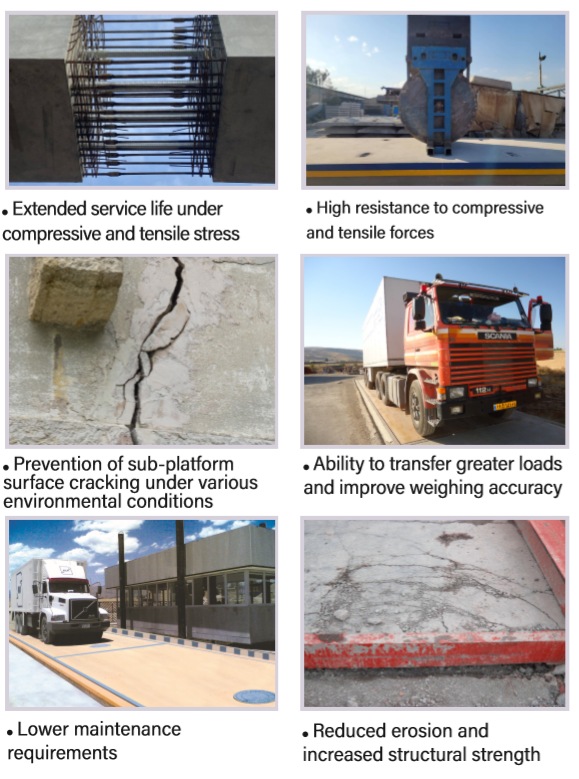
Requirements for Manufacturing Truck Scales Using Pre-stressed Technology
Incorporation of fully standardized high-tensile steel cables capable of withstanding high tension and resistant to corrosion. Engineering design of pre-stressed molds and structures in a way that pre-stressing forces are distributed evenly across the entire structure. This requires careful planning of cable paths and determining the appropriate tension force for each cable. Concrete production and curing under standard conditions, ensuring high compressive strength and good durability against various weather conditions.
Procurement of standard and up-to-date equipment for the pre-stressed production line. Improving the skills of production line workers. Equipping and setting up a dedicated concrete laboratory to ensure the quality of produced concrete. Use of underground silos for storing and temperature-controlling sand and gravel.
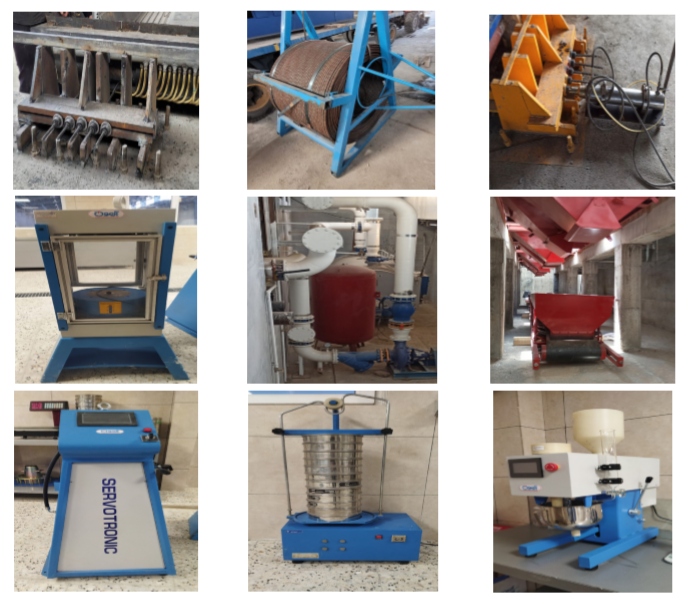
In the curing process of pre-stressed truck scale concrete, for the first time in the world, and through a significant investment, a unique and precise indirect heat curing method has been employed. In this method, temperature is continuously monitored automatically, with a precision of °0.5±C throughout the concrete curing process.
This innovative technique enables the concrete to uniformly and steadily reach %70 of its final strength within approximately 24 hours.
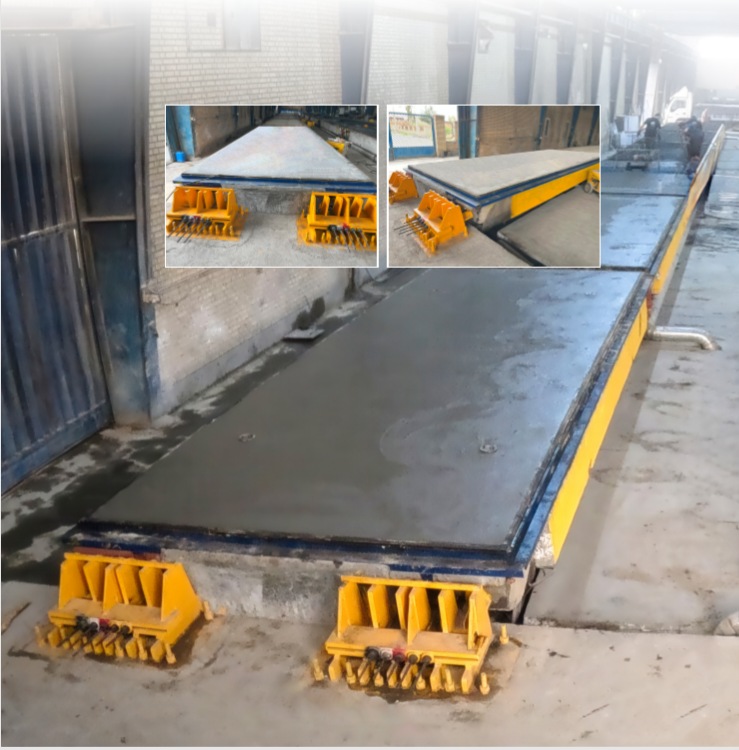
The design of truck scales fundamentally differs from that of conventional concrete or civil structures due to the need for fatigue analysis. In most civil or concrete projects, live loads are relatively insignificant compared to dead loads, and their dynamic factors are often ignored. However, in truck scale design, the primary load comes from the vehicle and its cargo, which induces structural fatigue and, with frequent usage, leads to bending stresses that can negatively affect weighing accuracy.
Pre-stressed concrete structures are well-suited to withstand the stress caused by heavy vehicle loads. It is essential that a truck scale be designed in a way that all forces and stresses are efficiently distributed across the structure to ensure long-term performance and durability.
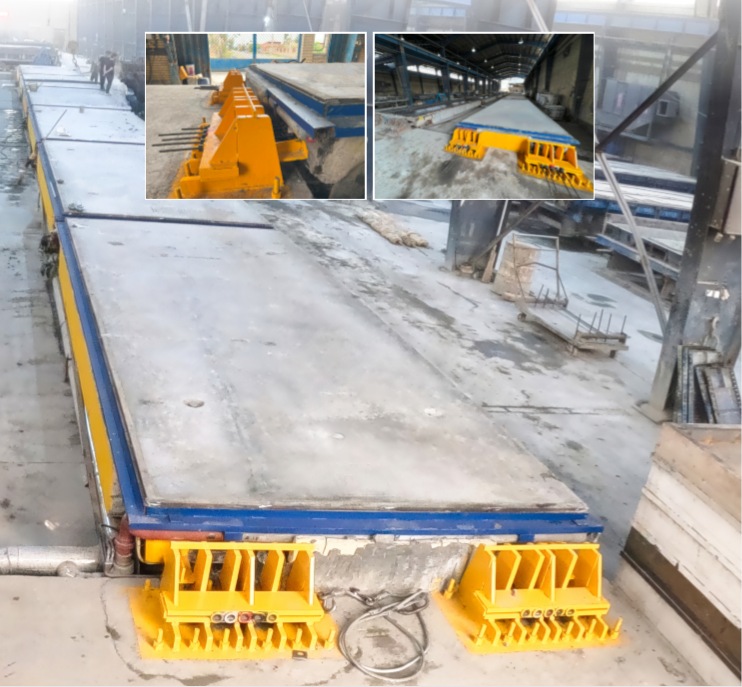
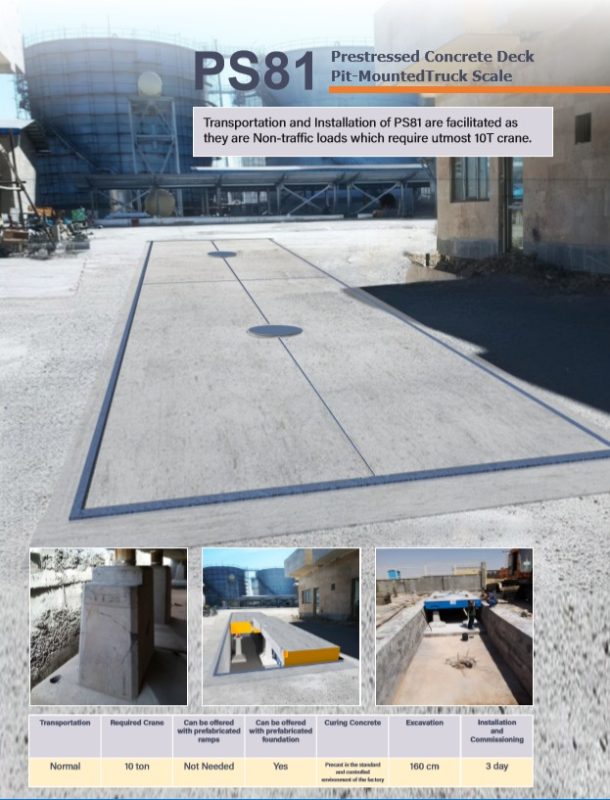
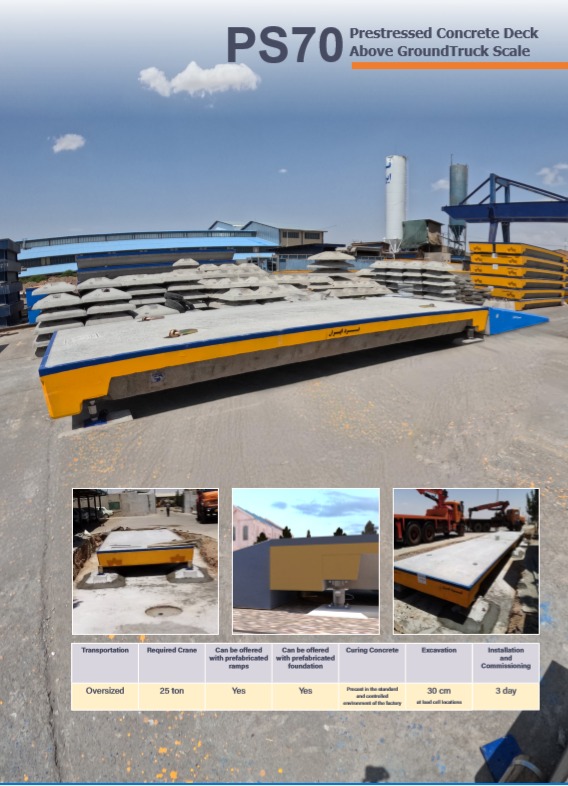
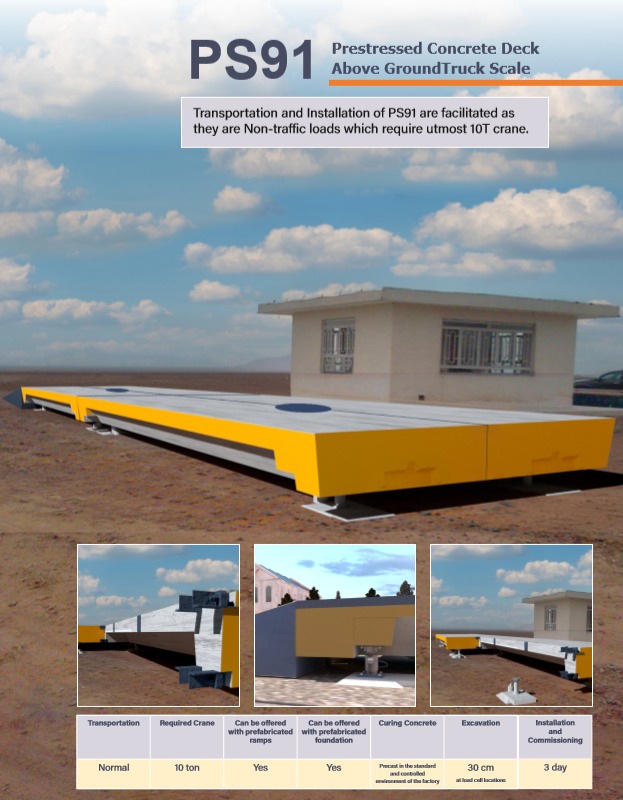
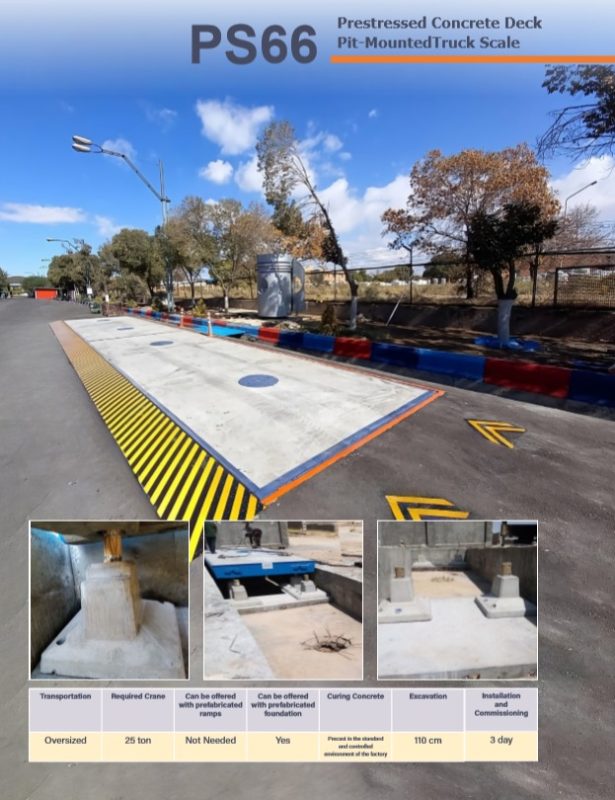
Types of Prestressed Concrete Deck Truck Scales